
Spinboss Casino
What’s the quickest way to keep your wallet happy while still watching the latest shows?
11月
I used to think that streaming a new season every week meant spending a fortune. Then I set a rule: one new episode per day, and I never overspent. That simple tweak saved me about £15 a month, and I still got my binge‑fix. The trick is to set a concrete limit before you log on.
How can I set a realistic entertainment budget?
Start with a clear number. I counted my monthly discretionary income and decided to earmark only 10% for all online entertainment—about £40 if you’re on a £400 net pay. Write that figure on a sticky note next to your laptop; seeing it every day keeps the temptation at bay.
Divide the £40 into categories: streaming, games, music, and social media. For me that meant £20 for Netflix or Disney+, £10 for game purchases, £5 for Spotify, and £5 for occasional YouTube ads. The division is flexible; just make sure the totals add up.
What are the most effective ways to track spending in real time?
Use a budgeting app that syncs with your bank. I switched from a paper ledger to a free app that sends a push notification every time I hit a sub‑category limit. If I’m about to buy a new game, the app warns me that I’ve already spent £8 of the £10 allocated.
Another trick: create a separate spending account with a low balance. Deposit only the amount you’ve allocated for the month. When you make a purchase, the card balance drops instantly—no more guessing how much you have left.
How do I stay entertained without blowing my budget?
- Free trials and ad‑supported content: Most streaming services offer a 30‑day free trial. I queue up a new show every month and cancel before the trial ends. For music, I use the free tier of Spotify, which plays ads but saves money.
- Library and swap nights: Instead of buying a new e‑book, borrow one from the local library’s digital collection. I also swap games with friends—one night I play a new release, the next I host a board‑game evening.
- Scheduled “no‑spend” days: On Tuesdays and Thursdays I avoid any paid entertainment. I read a paperback, walk, or do a hobby instead.
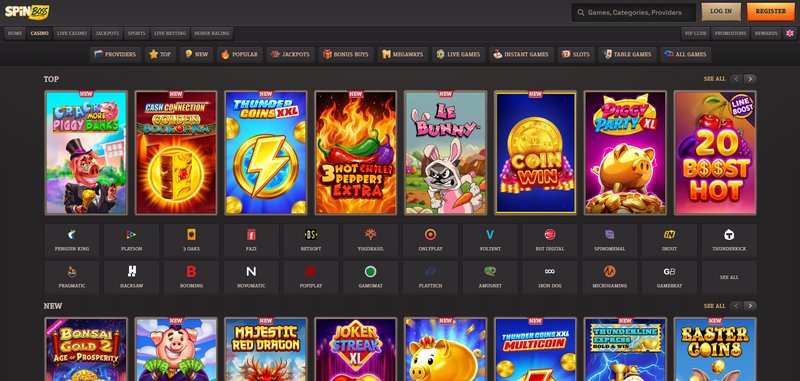
Speaking of gaming, I often look for ways to combine fun with savings. For instance, the Spin Boss community hosts monthly tournaments where players can win free credits by completing simple challenges. It’s a good example of how you can enjoy online entertainment while still keeping your budget intact.
What should I do when I’m tempted to overspend?
Pause the screen and ask yourself: “Did I already spend my allocated amount for this category?” If the answer is yes, take a five‑minute break. I find that stepping away for a quick walk or a cup of tea resets my mindset and often eliminates the urge to buy something extra.
Another method is to set a “cool‑off” period: if you’re thinking about buying a new game, wait 48 hours. During that time you can research reviews, compare prices, or find a cheaper alternative. Most impulse purchases disappear once you’ve given yourself time to think.
Will sticking to a budget actually make me feel less happy?
Not at all. I’ve discovered that knowing I’m not spending beyond my means actually boosts my confidence. I can enjoy a new series or a game without the nagging worry that I’ve ruined my savings goal. The key is to treat the budget as a tool, not a restriction.
How do I review and adjust my budget each month?
At the end of every month, pull up your bank statements and the budgeting app. Highlight any categories that exceeded their limits and note why. Maybe you need to shift a few pounds from music to streaming if you’re watching more series. Or perhaps you can cut back on the game budget if you’re already satisfied with your current library.
Make a quick 5‑minute audit: Did I stay within my £40 limit? If yes, great—keep the same plan. If no, adjust the next month’s categories to reflect your actual habits. Over time, this small habit turns into a powerful financial discipline that keeps your wallet healthy and your entertainment enjoyable.
What’s the final takeaway?
Budgeting for online entertainment is all about concrete numbers, real‑time tracking, and a willingness to tweak your plan. By setting a clear monthly limit, dividing it into manageable chunks, and using tools that alert you when you’re close to overspending, you can keep your finances on track while still enjoying the shows, games, and music you love. Remember, the goal isn’t to cut out fun—it’s to make sure that fun doesn’t cut out your future savings.
